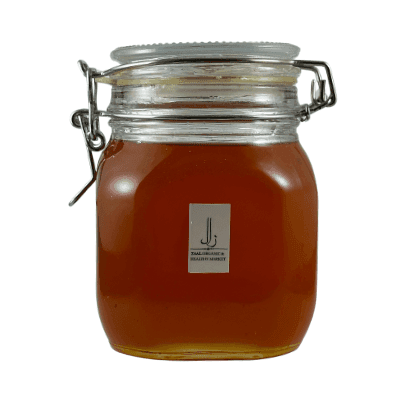
Natural Honey
عسل گون
2,037,000 Toman
≈ $22.6 USD
Zaal Market Persian honey comes from beekeepers who follow the strict standards of Iranian export honey. The honey is raw and is not pasteurized at high heat, so its enzymes, the scent of wild flowers and the pollen it contains stay intact. The flavors range from mild mountain Astragalus honey to thick, amber Sidr honey from the south.
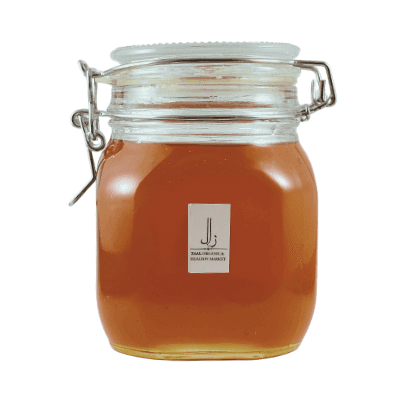
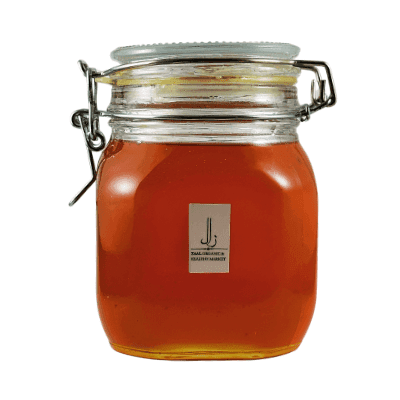
Honey is made by bees from the nectar of plants in natural pastures. Two problems are common in the honey market: honey from bees fed with sugar syrup, and honey that is overheated to stop it from crystallizing. High heat destroys valuable enzymes such as diastase and invertase. Zaal Market buys its Persian honey from trusted suppliers with experience exporting pure Iranian honey, and sells it completely raw and unheated. Zaal Market does not have its own apiaries.
These products are foods and are not a substitute for medicine or medical advice.
| Honey | Plants and region | Color and texture | Taste and aroma |
|---|---|---|---|
| Astragalus (gon) | Astragalus mountain pastures of Iran | Light golden and clear | Very mild, liked by everyone |
| Sidr (konar) | Sidr (konar) forests of the south | Dark amber | Strong Sidr blossom aroma, thick |
| Wildflower (chehel giah) | Mixed foothill pastures | Warm amber, slightly reddish | Complex, deep herbal taste |
Buyers abroad can send an inquiry through our international order page.
No. Zaal honey is completely raw and unheated, so its active enzymes such as diastase and its pollen compounds are kept and no heat damage occurs.
Crystallization is a natural process in raw, unheated honey. To make it liquid again, put the jar in lukewarm water below 40 °C.
No. Zaal Market buys its honey from professional, experienced beekeepers who supply export-grade honey.
Natural raw honey may contain bacterial spores and a baby's digestive system is not yet mature, so honey must not be given before the age of one because of the risk of botulism.