
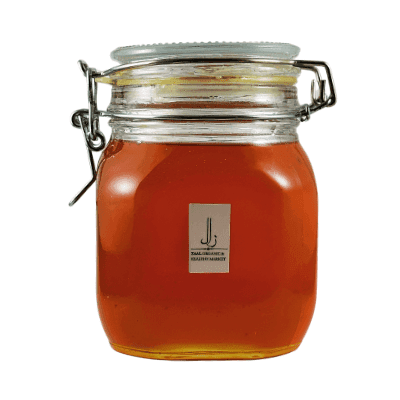
Persian Sidr Honey (Raw Konar Honey from Southern Iran)
Persian Sidr honey, known locally as Konar honey, is one of the best-known monofloral honeys of the Middle East. Made from the blossoms of Konar (Ziziphus) trees in southern Iran, this raw, unpasteurized nectar is procured from export-grade beekeepers by Zaal Market.
Key features
Product description
- Persian Sidr honey: Legendary Middle Eastern Nectar
- Sensory Profile and Natural Properties
- Comparison: Wild Sidr vs Other Specialty Honeys
- Culinary Uses and Daily Enjoyment
- How to Recognize Genuine Sidr Honey
- Health Notes and Precautions
- International Orders and Global Distribution
Persian Sidr honey: Legendary Middle Eastern Nectar
In the warm south of Iran grows the Sidr tree (Ziziphus, in Persian konar), whose small blossoms give a distinctive honey. Zaal Market supplies authentic raw Konar tree honey directly from experienced export-grade beekeepers, preserving its time-honored purity without chemical additives or sugar feeding.
Unlike commercially blended varieties, genuine Persian Sidr honey is bottled strictly unheated and unpasteurized. This careful handling maintains its high biological value, preserving natural invertase, diastase, and rich botanical polyphenols that define this premier monofloral honey.
Sensory Profile and Natural Properties
This unpasteurized Sidr honey monofloral marvel features a glowing dark amber to warm agate coloration. Its viscosity is exceptionally thick and dense; when lifted with a honey wand, it streams down in an unbroken, elastic ribbon. The aroma is warm, evocative of dry desert woods and blooming Sidr groves.
On the palate, Persian Sidr honey delivers a luxurious caramel and butterscotch note with faint herbal and dried fruit undertones. Its sweetness is deep and resonant yet velvety smooth, soothing the throat without leaving any harsh or sharp aftertaste.
Comparison: Wild Sidr vs Other Specialty Honeys
| Quality Indicator | Zaal Wild Sidr Honey | Mountain Astragalus Honey | Commercial Blended Honey |
|---|---|---|---|
| Botanical Source | Ziziphus spina-christi | Wild Astragalus shrubs | Undefined multi-source syrups |
| Color and Appearance | Deep agate to dark amber | Light golden amber | Artificially clear amber |
| Sensory Profile | Rich caramel and warm wood | Delicate alpine herbal | Flat sugar sweetness |
| Crystallization Rate | Very slow (high fructose) | Moderate to fast | Artificially delayed |
| Processing | Unheated raw extraction | Unheated raw extraction | Industrial high-heat pasteurization |
Culinary Uses and Daily Enjoyment
With its rich caramel finish, Middle Eastern Sidr mountain honey is a gastronomic treasure:
- Traditional Tahini Pairing: Blend in equal parts with sesame tahini for a classic, protein-dense Middle Eastern breakfast dip.
- Honey Lemon Drink: Dissolve a spoonful in lukewarm water with a squeeze of fresh lemon juice.
- Gourmet Cheese Platters: Drizzle over aged cheeses, goat cheese, or toasted walnuts to create sophisticated flavor contrasts.
- Gentle Throat Soothing: Savor a spoonful slowly off the spoon on chilly winter mornings for velvety throat comfort.
How to Recognize Genuine Sidr Honey
Authentic unheated Sidr honey displays specific physical hallmarks:
- Natural Saponin Foam: Freshly harvested raw Sidr honey naturally forms a light, delicate white foam on its surface caused by natural plant saponins found in Ziziphus blossoms.
- High Viscous Cohesion: Due to low water content and rich carbohydrate density, it flows in a thick cohesive stream rather than splashing in droplets.
- Prolonged Liquid State: Because of its naturally high fructose-to-glucose ratio, genuine Sidr honey remains liquid for a prolonged duration before any crystallization occurs.
Health Notes and Precautions
Raw konar honey naturally contains glucose and fructose, B vitamins, minerals such as zinc, iron and copper, and enzymes such as diastase. This is a food product and not a substitute for medicine or medical advice. Strictly avoid giving honey to infants younger than twelve months due to the potential risk of infant botulism. Individuals managing diabetes should consult their physician before incorporating honey into their regular diet.
International Orders and Global Distribution
Zaal Market has exported natural Iranian food products to Turkey and Russia since 2020. Buyers abroad can send an inquiry through our international order page. We invite you to discover our complementary varieties, including raw Astragalus mountain honey and Persian wildflower honey.
Specifications
How to use
Serving Recommendations
Enjoy straight by the spoon or stir into beverages at temperatures below 40°C. Never boil or expose to excessive heat.
Kitchen Storage
Keep tightly sealed in a glass jar at room temperature (18–24°C) inside a dry pantry away from direct sunlight. Refrigeration is unnecessary and discouraged, as glass jars naturally safeguard the honey against humidity.
Frequently asked questions
what does genuine Ziziphus Sidr honey smell and taste like?
It presents a warm, rich caramel flavor with delicate herbal and woodsy notes. The aroma recalls desert blossom fields, and its texture is remarkably thick, velvety, and soothing.
why does Sidr honey remain liquid for longer periods?
Sidr nectar naturally possesses a higher fructose-to-glucose ratio than alpine honeys, allowing it to maintain its viscous liquid consistency for many months without rapid crystallization.
how can international buyers purchase pure Sidr honey?
Buyers abroad can send an inquiry through our international order page.
Is this konar honey heated?
No. Zaal konar honey is raw and unheated, with no added sugar or preservatives. It is bought from reputable beekeepers in southern Iran and packed in glass.
Customer reviews
0 reviews
No reviews yet.
Related products
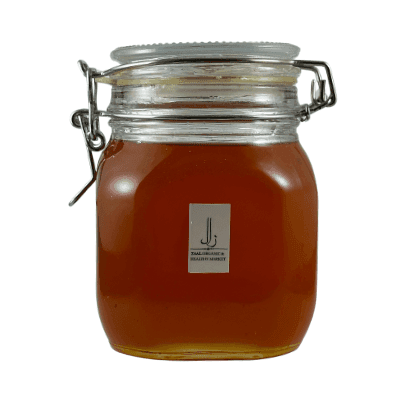
Raw Astragalus Mountain Honey 1kg
Need this product in large volumes or for export?
Commercial orders with export packaging and private label. Zaal holds an export licence and exports to Turkey and Russia.