
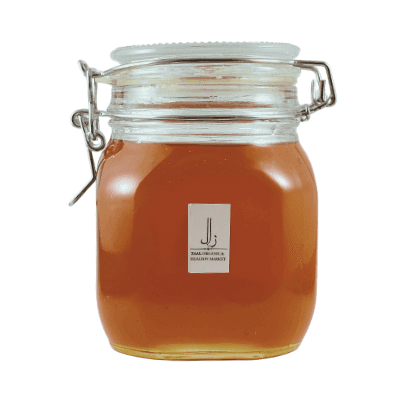
Persian Wildflower Honey (Chehel Giah, Forty Herbs), 1kg
Persian wildflower honey, traditionally known across Iran as Chehel Giah (forty herbs honey), is a raw honey from the nectar of dozens of wild herbs and flowers of Iranian mountain pastures. Bought by Zaal Market from experienced beekeepers who supply export-grade honey, this unheated amber honey preserves natural floral complexity and active bee enzymes.
Key features
Product description
- Persian wildflower honey: Essence of Alpine Meadows
- Complex Aroma, Rich Viscosity, and Natural Crystallization
- Comparison: Polyfloral Mountain Honey vs Monofloral Varieties
- Culinary Ways to Enjoy Polyfloral Honey
- How to Recognize Genuine Raw Polyfloral Honey
- Safety Guidelines and Responsible Use
- International Orders and Export Inquiries
Persian wildflower honey: Essence of Alpine Meadows
In spring and summer, the mountain pastures of Iran are covered with dozens of wild herbs and flowers. The resulting mountain forty herbs honey—traditionally celebrated as Chehel Giah—embodies this rich botanical diversity. Zaal Market buys this raw multi-flower mountain honey from experienced beekeepers who supply export-grade honey.
Unlike industrial commercial syrups that undergo high-heat flash pasteurization, this unheated wild blossom honey is not heated, so its natural enzymes and pollen are kept. Our Persian wildflower honey offers an authentic taste of ancient mountain pastures.
Complex Aroma, Rich Viscosity, and Natural Crystallization
Because of its multi-flower origin, this mountain wildflower honey displays an inviting deep amber color with golden highlights. In the jar, its viscosity is luxurious and smooth. The aroma is richly layered, reminiscent of mountain meadows and wild flowers, with a warm, lingering floral perfume.
On the palate, Persian wildflower honey delivers a profound and warming sweetness that evolves across the tongue. It provides a full-bodied culinary experience without the sharp, flat burn associated with sugar-fed commercial alternatives.
Over time and in cool pantry temperatures, genuine polyfloral honey undergoes natural crystallization. This slow crystallization into a fine, creamy texture is a hallmark of live, unpasteurized honey that has not been subjected to degrading heat treatments.
Comparison: Polyfloral Mountain Honey vs Monofloral Varieties
| Attribute | Zaal Polyfloral Honey (Chehel Giah) | Monofloral Honey (Astragalus / Sidr) | Commercial Supermarket Honey |
|---|---|---|---|
| Nectar Composition | Dozens of wild alpine herbs & flowers | Single predominant flower species | Blended multi-origin corn/sugar syrups |
| Aromatic Profile | Multi-layered, earthy, herbal bouquet | Specific botanical aroma (herbal or caramel) | Flat, artificial sugar scent |
| Thermal Processing | Strictly raw and cold-filtered | Strictly raw and cold-filtered | Heat pasteurized above 70°C |
| Active Enzyme Level | High natural diastase & invertase | High natural diastase & invertase | Denatured by thermal processing |
| Texture Evolution | Naturally crystallizes smoothly | Varies by glucose-to-fructose ratio | Artificially kept clear with chemical processing |
Culinary Ways to Enjoy Polyfloral Honey
Due to its balanced and layered flavor profile, this honey is a staple in mindful culinary kitchens:
- Morning Honey Water: Dissolve a tablespoon in a glass of lukewarm water (below 40°C) with fresh lemon juice upon waking.
- Traditional Breakfast Spread: Pair with fresh artisanal butter, creamy clotted cream, or sesame tahini on warm sourdough.
- Gentle Tea Sweetener: Allow herbal infusions, black tea, or green tea to cool to drinking temperature before stirring in honey to protect delicate live enzymes.
- Culinary Glazes and Dressings: Whisk into balsamic reductions, wholesome salad vinaigrettes, or marinades for roasted root vegetables.
How to Recognize Genuine Raw Polyfloral Honey
Discerning consumers can verify raw honey quality through straightforward culinary indicators:
- Layered Herbal Scent: Authentic polyfloral honey never smells like artificial confectioner's syrup; it carries a distinct, shifting perfume of blooming wild vegetation.
- Slow Cold Dissolution: When dropped into cold water, dense raw honey travels to the bottom intact without instantly clouding the liquid.
- Cohesive Threading: As you raise a honey wand, it produces an unbroken stream that coils into gentle waves upon the surface.
Safety Guidelines and Responsible Use
Polyfloral honey naturally contains glucose and fructose, proline, B vitamins and minerals. This is a food product and not a substitute for medicine or medical advice. Please note: honey must never be administered to infants under one year old due to the risk of infant botulism. Individuals with diabetes should monitor total carbohydrate intake with their healthcare provider.
International Orders and Export Inquiries
Zaal Market has exported natural Iranian food products to Turkey and Russia since 2020. International commercial partners can easily place orders and request documentation through our international order page. We also invite you to explore our monofloral selections: raw Astragalus mountain honey and Persian Sidr honey.
Specifications
How to use
Culinary Serving
Consume directly by the spoon or incorporate into beverages and meals below 40°C. Refrain from boiling or baking at high temperatures if you wish to maintain active enzyme benefits.
Pantry Storage
Store tightly sealed at room temperature (18–24°C) away from light in a dry cabinet. Do not refrigerate, as extreme cold accelerates crystallization. If crystallizing occurs, gently warm the jar in a water bath below 40°C.
Frequently asked questions
which high mountain plants make up the Chehel Giah floral source?
Chehel Giah translates to forty herbs. It simply means honey from many plants: the bees collect nectar from dozens of wild herbs, bushes and flowers of the mountain pastures in spring and summer.
why does polyfloral mountain honey have a deep amber color?
The deep amber coloration results from the rich variety of wild summer flowers and herbs gathered by the bees, which gives a darker, warmer honey than single-flower honeys such as gavan.
how should raw unpasteurized honey be stored to protect natural enzymes?
Keep the honey sealed in its original glass jar at room temperature away from sunlight and moisture. Never refrigerate or microwave, as gentle ambient storage preserves delicate enzymes.
how can international buyers order directly from Zaal Market?
International buyers and food importers can submit inquiries via the international order page on our website .
Customer reviews
0 reviews
No reviews yet.
Related products
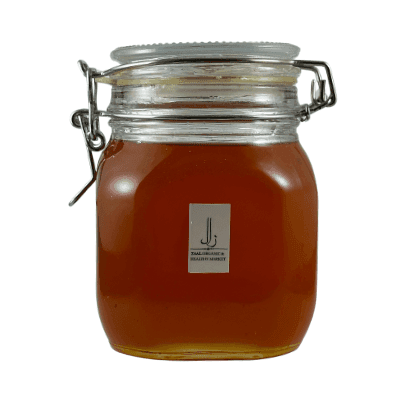
Raw Astragalus Mountain Honey 1kg
Need this product in large volumes or for export?
Commercial orders with export packaging and private label. Zaal holds an export licence and exports to Turkey and Russia.